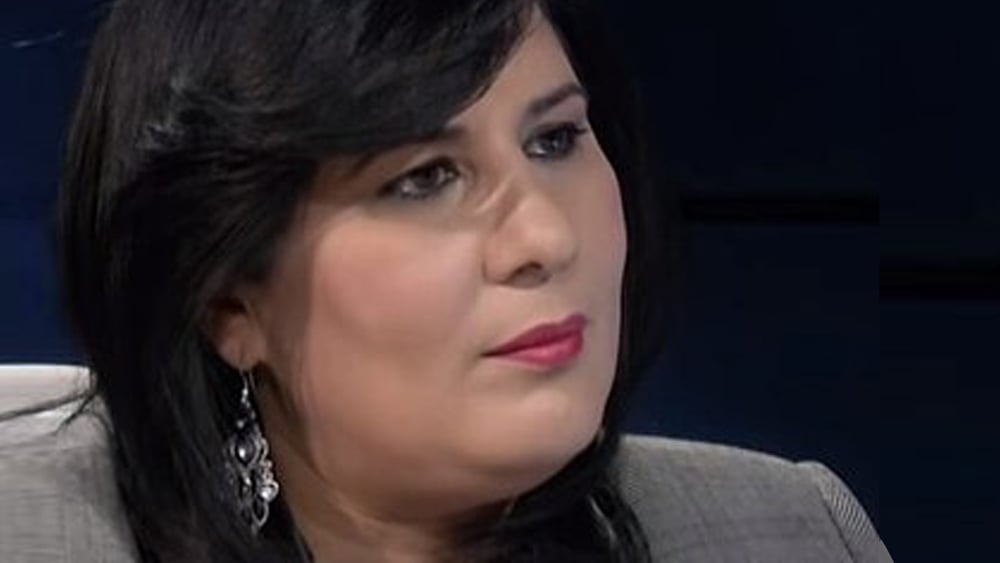
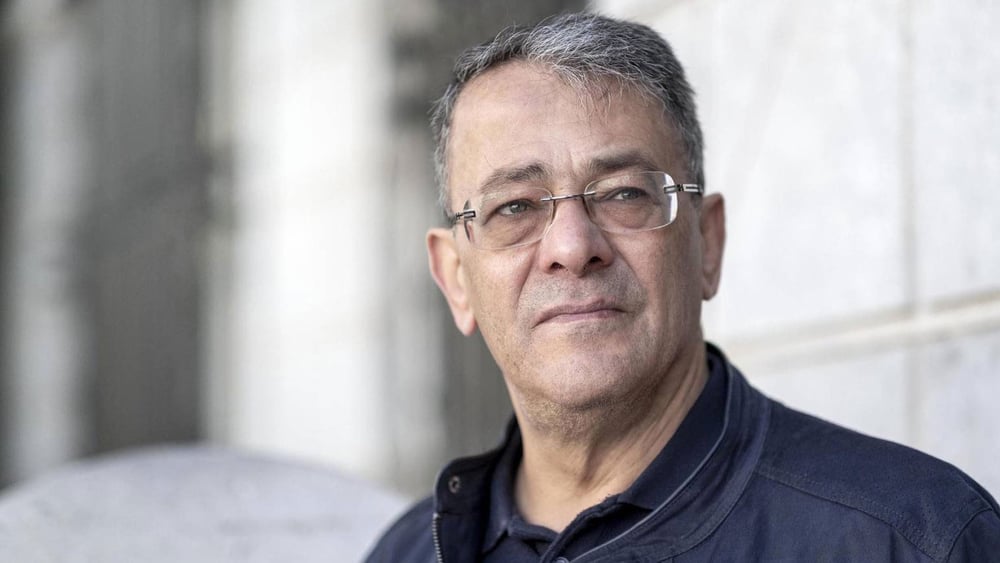
Free arbitrarily detained members of the political opposition
On 13 July 2024, Tunisian police arrested Ennahdha party members Ajmi Ourimi, Mohamed Ghannoudi, and Mosaab Gharbi in the Mannouba governorate during a routine identity check while travelling for personal reasons. Authorities later alleged that Ghannoudi was wanted by the police in connection with a terrorism investigation and opened proceedings against all three on suspicion of «participating in a terrorist group» and «providing support to a person suspected of involvement in terrorist acts». They were referred to trial under Articles 13, 34 and 37 of the 2015 counterterrorism law and Article 32 of the Penal Code, provisions relating to participation in terrorist activities, providing assistance or shelter, failure to report alleged terrorism-related conduct and complicity. The three men have been in pretrial detention for 14 months, exceeding the legal limit. Authorities must immediately drop all charges against them and release them as their arrest stems solely from their political affiliation.
On 13 July 2024, police arrested opposition party Ennahdha Secretary-General Ajmi Ourimi in the Mannouba governorate, along with two other party members, Mohamed Ghannoudi and Mosaab Gharbi, during what appeared to be a routine identity check at a road control point.
The three men remained in pretrial detention since July 2024 without trial, exceeding the limit under Tunisia law of pre-trial detention of 14 months. Initially, they were placed in pretrial detention pending investigation under Articles 13, 34 and 37 of Organic Law No. 26 of 2015 on Counterterrorism (as amended by Law No. 9 of 2019), as well as Article 32 of the Tunisian Penal Code. These provisions criminalize the formation or participation in a group linked to terrorist activities (Article 13), the provision of assistance such as sheltering, concealing, or facilitating the escape of a person allegedly involved in terrorism-related offences (Article 34), the failure to report information related to terrorist activity (Article 37), and complicity in the commission of an offence (Article 32). The use of terrorism-related accusations is common in cases of Ennahda detainees.
According to the case file, the three individuals were travelling to the countryside for what they described as personal business when they were stopped at a National Guard checkpoint. Upon verification of their identities, the authorities indicated that Ghannoudi was subject to an arrest warrant in connection with a «terrorism»-related investigation. All three were subsequently arrested on suspicion of forming or participating in a group linked to «terrorist activities» and of providing support to individuals suspected of involvement in «terrorist acts».
Ghannoudi stated he was never notified or summoned to appear before investigative authorities and was unaware of any warrant against him. Gharbi and Ourimi denied knowing he was wanted or intending to shelter him, gave consistent accounts of their movements. The prosecution failed to provide any evidence to the contrary. During the investigation, the investigative judge questioned the three individuals about the nature of their relationship, their political activities, whether they had intended to provide Ghannoudi with shelter, the circumstances of their travel arrangements, as well as Telegram groups identified on their phones and books found in their homes that were searched after their arrests. However, they were not presented with any evidence substantiating the allegations of involvement in any criminal activity
After several months of investigation, the judge dismissed the charges relating to the formation of a terrorist group due to lack of evidence. Despite that, Ourimi and Gharbi were charged with intent accompanied by preparatory acts consisting of providing a place of shelter to a person allegedly linked to terrorist crimes, concealing him, facilitating his escape, preventing his detection, and benefiting from the proceeds of his actions, as well as failure to report terrorist activity. Ghannoudi was not charged in this case, as the judge considered that he was already under investigation for the same terrorism-related charges in a separate proceeding.
In recent years, the Tunisian authorities have increasingly relied on counterterrorism legislation and state security-related charges to arbitrarily prosecute and detain opposition figures, including senior members of the Ennahdha party leadership. Courts have conducted mass trials based on insufficient evidence or unfounded accusations, resulting in repeated violations of fair trial guarantees.
In April 2023, shortly after former Ennahdha secretary general Rached Ghannouchi’s arrest, security forces shut down all Ennahdha party offices across the country. Mondher Ounissi, who replaced Rached Ghannouchi as head of the party, was also arrested and detained a few months later, in September 2023, and is being prosecuted in a separate case on conspiracy-related charges. After him, Ajmi Ourimi assumed the position of Secretary-General of the party in November 2023. This documented pattern of targeting Ennahdha members, together with the broader repression of perceived political opponents in Tunisia, indicates that this case, like others, appears aimed at punishing members of political groups in order to silence their political activities, silence dissent and restrict political pluralism.
In a recent opinion concerning Tunisia in the case of Rached Ghannouchi, the United Nations Working Group on Arbitrary Detention recalled that judicial independence is a sine qua non condition for the right to a fair trial, as guaranteed under article 10 of the Universal Declaration of Human Rights and article 14 of the International Covenant on Civil and Political Rights (ICCPR). The Working Group further expressed particular concern regarding the numerous reports indicating an erosion of judicial independence in Tunisia since 2021, creating a context in which fair trial rights cannot be adequately protected.
Please take action before 28 octobre 2026.
You'll find all necessary adddress- and social media information above. English model letter as a word-file